
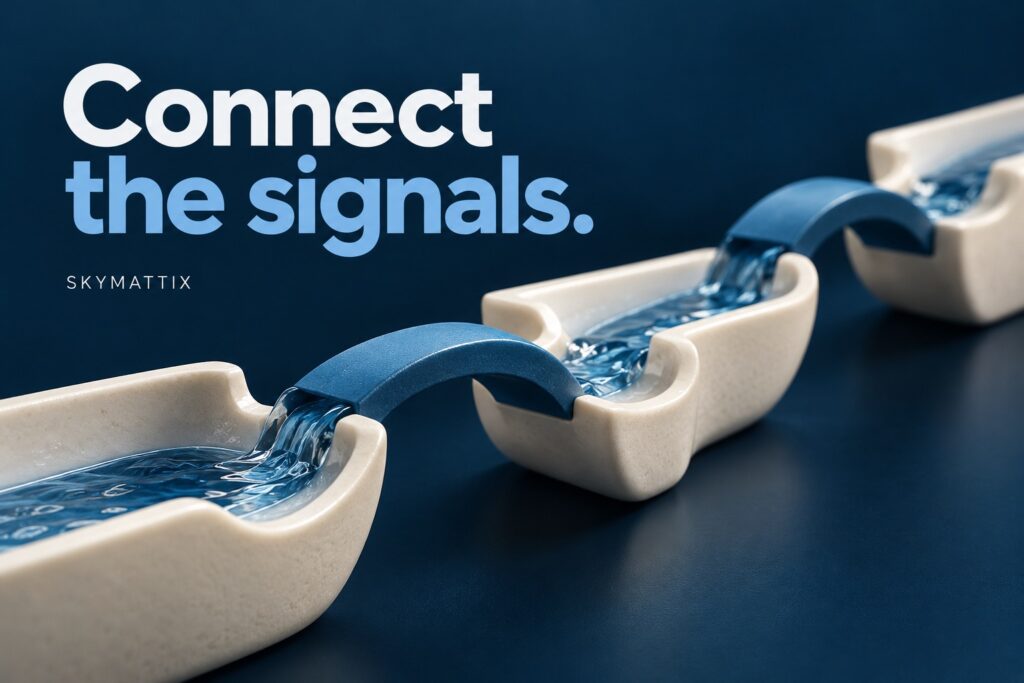
Integrated programmatic advertising connects automated media buying with paid social through one audience plan, coordinated creative and shared business goals. To integrate programmatic advertising with social media management, agree on the offer and measurement first, run each channel through its supported buying tools, and review results together.
This guide explains where to manage the work, how to connect campaigns and what to measure before increasing spend.
Where can you manage social ads alongside programmatic channels?
Use a shared campaign plan and reporting view, with channel specialists managing delivery in the appropriate platforms. A demand-side platform (DSP) handles supported programmatic inventory; social ads run through the relevant social platform’s buying tools or an approved integration. For example, Meta identifies Ads Manager as its tool for running ads across Facebook, Instagram, Messenger and Audience Network.
A combined dashboard can help your team compare spending and outcomes, but it does not automatically provide access to every platform’s inventory, audiences or attribution data. Before choosing a tool, check which channels it can actually buy, which it only reports on, and which actions still require the native platform.
What should an integrated campaign include?
- One business outcome: choose a qualified enquiry, booked consultation, purchase or another measurable action.
- A shared audience brief: agree on geography, customer needs, exclusions and the role of each channel.
- Consistent creative: carry the same offer and message into display, video, social and the landing page.
- Separate delivery controls: manage budgets, placements and frequency within each platform’s capabilities.
- Connected reporting: compare platform results with website and CRM outcomes using consistent campaign names and definitions.
Start with our one-page programmatic campaign brief to put these decisions in writing.
How do you integrate programmatic advertising with social media management?
1. Give each channel a clear job
Use programmatic placements to reach relevant audiences across supported publishers and formats. Use paid social for platform-specific reach, creative testing and engagement. Keep organic social focused on community, useful content and conversation. The channels should support the same offer without requiring identical ads everywhere.
2. Coordinate audience insights without assuming audiences transfer
Share aggregate learning about useful messages, locations and landing-page behaviour. Activate customer lists or website audiences only where your permissions, consent arrangements and platform capabilities support that use. Seeing an ad or watching a video in one system does not automatically make that person available for targeting in another.
For example, a retailer can test the same local offer across display and social using a common geographic brief. The team can compare qualified visits and enquiries without claiming that it can follow every individual between platforms.
3. Match creative to the placement and the destination
Adapt dimensions, captions and calls to action to each format. Keep the product, price or offer consistent with the landing page. Use readable text, useful image descriptions and clear next steps so that more people can understand and act on the message.

4. Connect measurement before launch
Use consistent campaign names and UTM parameters. Test the landing page, enquiry form and conversion events. Agree on what counts as a qualified lead, who records it and how duplicates are removed. Document each platform’s attribution window so that results are compared on a clear basis.
Do not add every platform’s reported conversions together and call that the number of new customers: more than one platform may claim the same outcome. Compare those reports with website and CRM records. Our guide to measuring programmatic and search together explains the same shared-measurement approach.
5. Review and adjust as one team
Review spend, delivery, landing-page engagement, qualified leads and cost per qualified lead together. Record what changed and why. Allow enough data to accumulate before declaring a winner, and avoid changing the audience, creative and landing page at the same time if you need to understand what caused the result.
Can a DSP buy all your social ads?
No single buying tool should be assumed to support every social platform or placement. Some tools offer supported social integrations; others provide reporting only. Check the current channel coverage and permissions directly with the provider. Integration is a coordinated operating process, not a promise that every ad can be purchased from one dashboard.
Do you need a bigger advertising budget?
Not necessarily. Start by clarifying the role of the channels you already use and improving the offer, landing page and measurement. A small budget spread across too many channels may produce too little evidence to guide decisions. Set a test budget and success criteria before expanding.
How should you choose an agency or management platform?
Ask who owns the accounts and data, which channels are supported, how media costs and fees are reported, and how qualified outcomes are verified. Request an example reporting structure and a clear explanation of attribution limits. Avoid promises of guaranteed results or universal cross-platform audience matching.
Build a connected campaign with Skymattix
Explore our programmatic advertising services and social media management services. We can help you connect the audience plan, creative and measurement around a clear business goal.
Talk to Skymattix about your campaign or book a discovery call.
Platform reference: Meta Blueprint: Get started with Ads Manager.